Exhibitor manual
This manual sets out the working rules for exhibitors preparing for Interbuild Africa in Johannesburg. Use it to plan build-up, book services, brief your stand team and avoid delays at the hall.
Read this before your stand team arrives
Every exhibitor should work from one shared plan before freight leaves the branch, showroom or warehouse. The hall layout, access doors and timing windows are issued to registered exhibitors, so your contractor, stand crew and transport team should all be briefed from the same pack. If one party works from an old drawing or the wrong stand number, build-up slows down for everyone around you.
This manual is for the practical side of the show rather than sales messaging. It covers stand possession, hall access, service ordering, safety paperwork and the rules that apply when the show closes. Keep a printed copy on site and make sure the person supervising build-up has authority to sign for freight, request changes and deal with venue officials if needed.
- Check your stand number against the approved floor plan.
- Share hall access instructions with your contractor and driver.
- Confirm the actual dimensions of the space, not only the package name.
- List every item arriving on site, including display stock and literature.
- Nominate one stand lead for build-up and one for breakdown.
Build-up access and heavy delivery windows
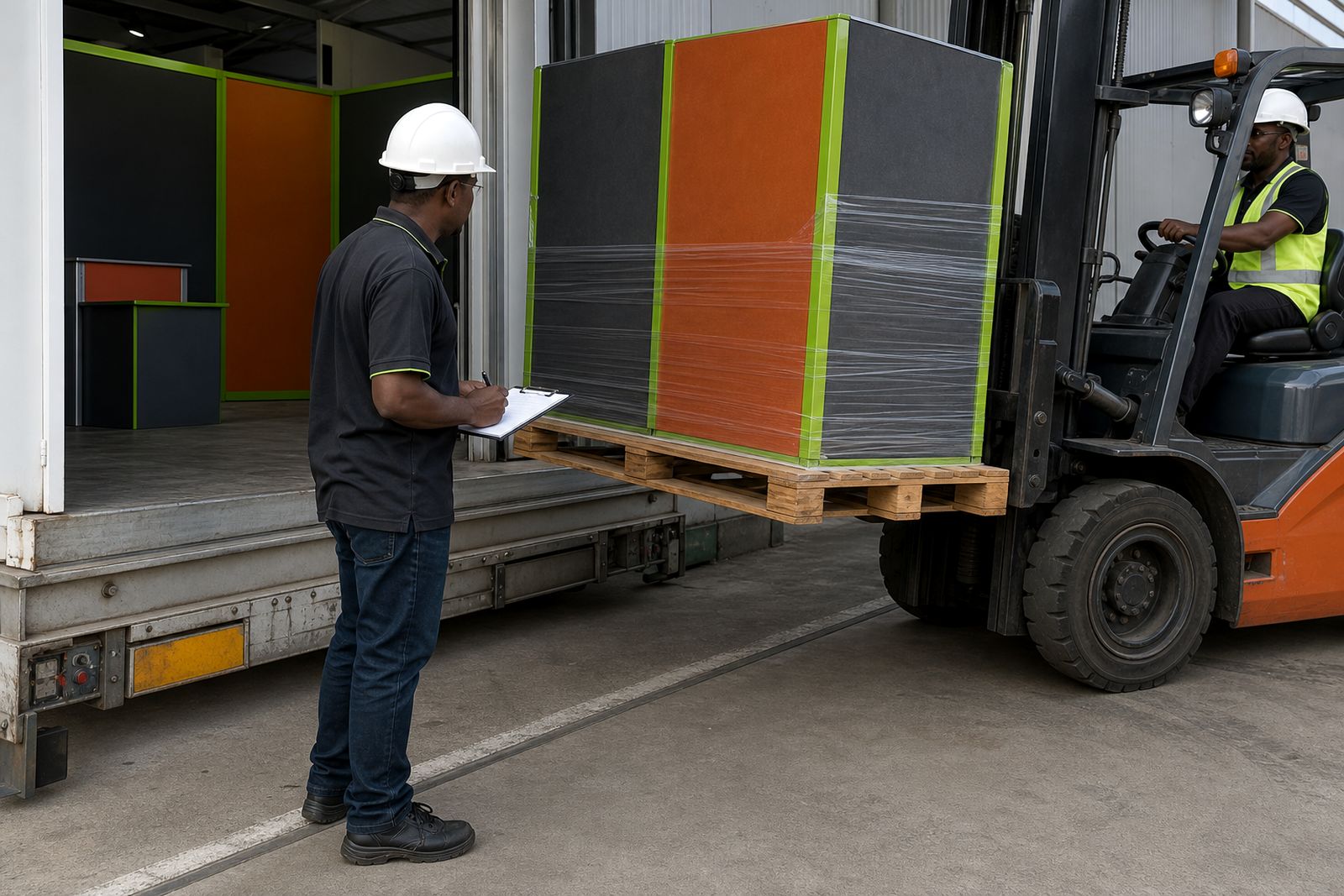
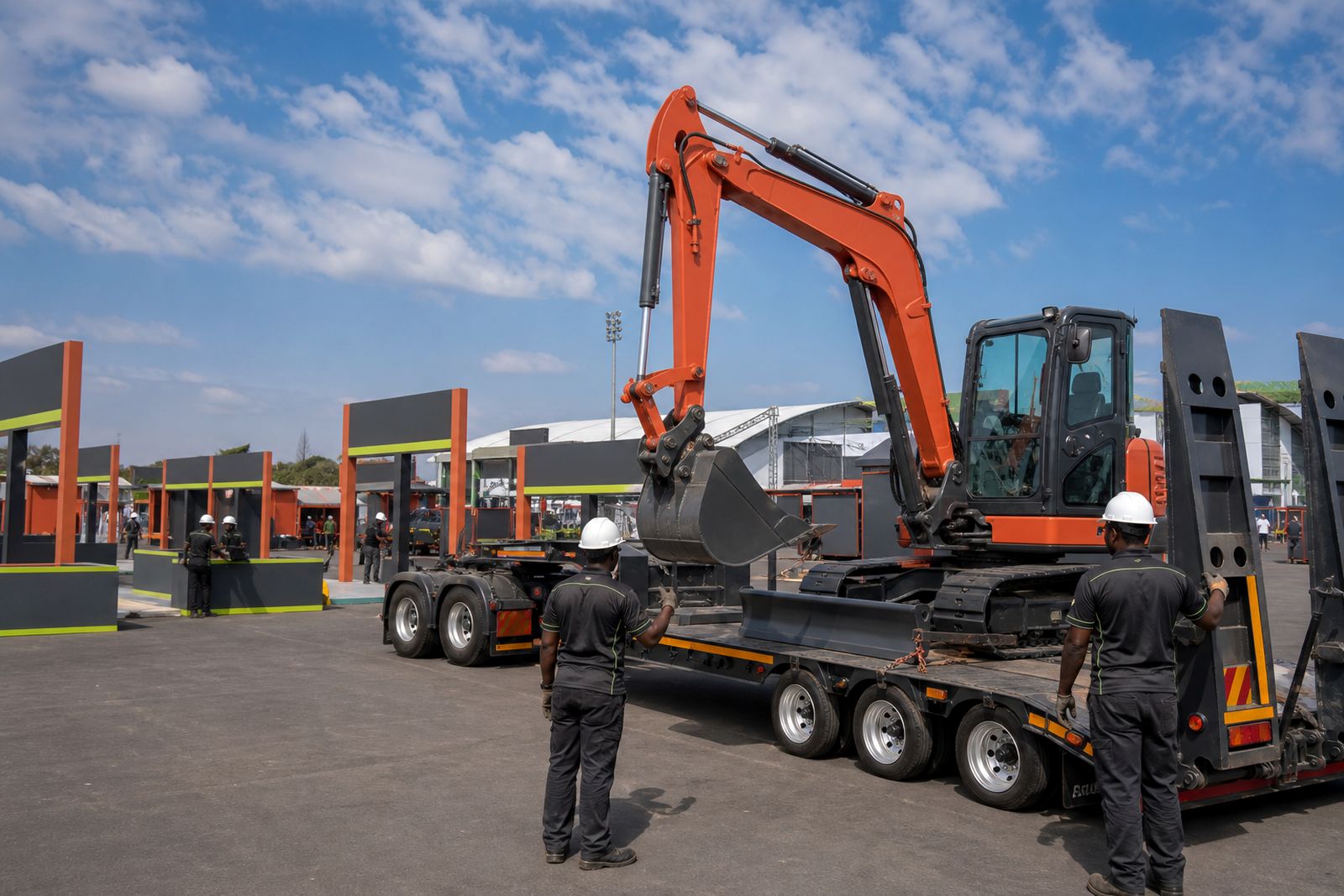
Large items do not move through the hall in the same way as cartons and hand-carried stock. Machinery, framed glazing, roofing mock-ups, long counters and crate loads must arrive in the heavy delivery period allocated for contractor traffic. Smaller promotional material can usually move later, once the aisles are clearer and flooring is protected.
If your exhibit needs a forklift, pallet jack or extra hands, arrange that before the truck leaves. The venue team controls access routes, and some doors may be reserved for wide or high freight only. Drivers should know whether they are delivering to a loading zone, marshalling point or direct hall entrance. A truck that pitches up early with no slot can end up waiting outside while other bookings are handled.
Pack by sequence, not only by product type. The items needed first for the shell, floor or main frame should be easiest to unload. That one decision saves time when the aisle is busy and your crew is trying to clear wrapping, stack empties and fit out a small footprint.
- Measure the tallest and widest item before transport is booked.
- Label every crate with exhibitor name, stand number and hall reference.
- Bring lifting points, slings or spreader bars where required for your display.
- Do not leave packed goods in gangways or fire routes.
- Remove pallets, shrink wrap and waste as build-up progresses.
Power, lighting and service orders
Do not assume a stand package includes enough electrical supply for screens, demo units, fridges, charging points and feature lighting. Basic connections are often suitable for light use only. If you are running multiple displays or equipment with a start-up load, order the proper supply in advance and tell your contractor what each circuit must carry.
Extension leads brought from the office are not a substitute for a planned layout. Cable runs must stay tidy, protected and within the stand boundary unless the venue team has approved another route. Any special requirement for water, drainage, rigging, internet, compressed air or after-hours power should be submitted through the exhibitor process set out in your booking documents.
Bring a simple power schedule with the wattage of each item. It helps the electrician place outlets where they are needed, and it prevents a rushed rework when the stand is already dressed. Screens, fridges and charging stations are often added late, then someone wonders why the supply trips.
- List each powered item and its load.
- Mark outlet positions on your stand drawing.
- Order extra lighting where product finish and colour matter.
- Use compliant leads and keep connectors off walkways.
- Switch off non-essential equipment during closed periods if instructed by venue operations.
Safety files, stand construction and working at height
Any custom build, contractor installation or technical display should arrive with the required safety paperwork complete and organised. That normally includes contractor details, staff lists, method statements where relevant, and supporting documents for higher-risk work. If your stand includes suspended elements, raised platforms, enclosed rooms, glazing panels or on-stand equipment, expect a closer review before the area is signed off for opening.
No cutting, spraying or hazardous fabrication should happen in a way that affects neighbouring stands or hall finishes. Dust, fumes and uncontrolled noise create problems fast in a shared venue. If assembly involves ladders, towers or lifting equipment, the crew must use them properly and keep the public routes clear while work is under way.
Give yourself enough time for final checks. A stand that looks ready from the aisle may still need edge trim, cable covers, extinguisher placement or stable fixing of display pieces. The snags are usually small but they matter.
- Carry the site safety file on stand during build-up.
- Keep tools and loose materials inside your space.
- Use rated access equipment for overhead work.
- Secure screens, panels and shelving against movement.
- Stop work immediately if venue safety officials issue an instruction.
What may be demonstrated during the show
Interbuild Africa is a trade expo, so exhibits can be active, educational and technically detailed, but they must still fit the hall rules. Live product demonstrations should stay within your stand line unless a dedicated programme slot or feature area has been approved. Noise, dust, sparks, fumes, open flame and uncontrolled debris are not acceptable in a standard stand environment.
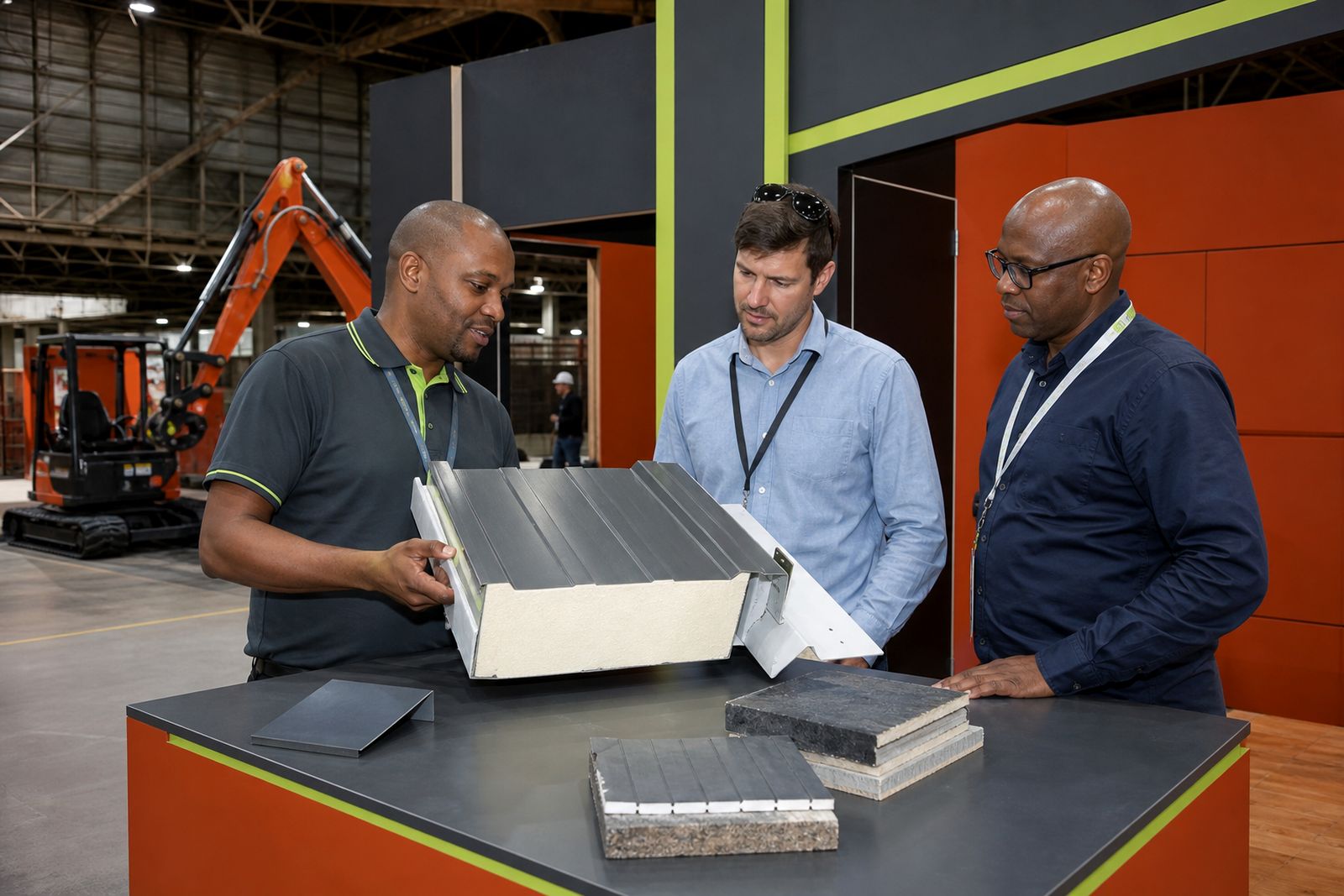
If you are showing tools, software, façade systems, roofing assemblies or smart building controls, make the demonstration easy to follow without blocking the aisle. Queue points, barrier placement and a clear operator position help far more than a louder sound system. Product samples should be fixed or handed out in a controlled way rather than stacked where they can spill into public routes.
For heavier technical exhibits, especially units with moving parts, guarding and supervision are essential. Visitors must be able to understand the application without stepping into the working area. If your display needs a special risk control, note it in your paperwork and raise it through our contact form before move-in.
Breakdown, collections and hall clearance
Nothing should be packed down before the official close of the show and release from venue operations. Early stripping creates safety risks, spoils the final trading period and causes congestion at the loading doors. Once breakdown starts, work methodically: remove portable stock first, protect fragile items, then dismantle structure and lighting in reverse order of installation.
Collection drivers should receive the correct hall reference, stand number and release timing. If couriers arrive without labels or paperwork the freight can sit while other jobs move ahead. Make sure your outbound documents match the actual number of cartons, crates and pallets leaving site, otherwise the last load of the night gets messy quick.
The stand space must be returned clear of stock, fittings, tape, timber offcuts and general waste. Charges may apply where material is abandoned. Before your team leaves, walk the footprint, check for forgotten chargers, graphics tubes and sample cases, and sign off that everything intended for collection has actually gone.
- Do not start packing while the show is still live.
- Book collection transport to match the breakdown release period.
- Label outbound freight before the first carton leaves the stand.
- Separate reusable items from waste during dismantling.
- Report any damage to venue infrastructure before departure.
What our Construction customers say
Verified Google reviews
Questions we get asked
Do all exhibitors need a safety file?
Shell-scheme exhibitors with a simple graphic and literature set-up usually have lighter requirements than a custom contractor build, but any installation involving construction activity, specialist equipment or higher-risk work should have the required safety documentation on site.
Can we bring our own electrician or stand builder?
Independent contractors may be used where the exhibitor rules and venue procedures allow it. They must follow the hall access instructions, safety requirements and service booking process issued for the show.
When will we receive the final hall details and access information?
Confirmed operational information is issued to registered exhibitors through the show process. If your booking is in place and your team still needs the latest manual items, send the request through our contact form.
Also worth a look
Tell us about the job
Send sizes, materials and where you are through our contact form, and we will come back with the practical options.
Open the contact form